
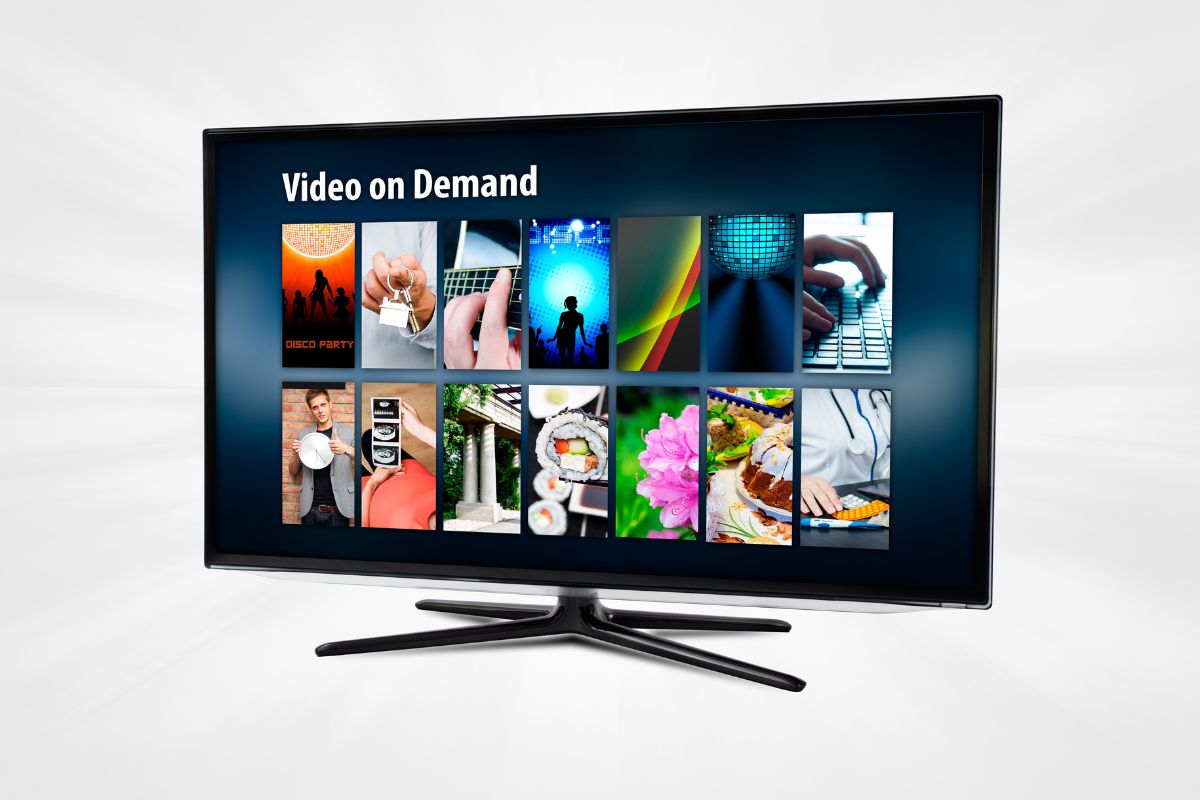
Television technology has evolved dramatically, delivering more immersive and lifelike entertainment experiences than ever before. Premium display innovations continue to redefine how we enjoy movies, gaming, sports, and everyday streaming content at home. Understanding the differences between QLED vs OLED vs Mini LED TVs has become increasingly important as consumers seek the perfect balance of picture quality, performance, and value. Choosing the right display technology can significantly enhance the way you experience modern home entertainment.

Understanding Modern TV Display Technologies
Modern television technologies are designed to deliver unique viewing experiences through advancements in picture quality, brightness, color reproduction, and overall performance. Understanding how these display technologies differ can help consumers make more informed purchasing decisions based on their entertainment preferences and viewing environments. Exploring the features that distinguish today’s premium televisions provides valuable insight into selecting the ideal display technology for your home:
1. What is QLED Technology?
QLED (Quantum Dot Light Emitting Diode) technology utilizes quantum dots to enhance color accuracy, brightness, and overall picture quality. These televisions are designed to deliver vibrant visuals that perform exceptionally well in both brightly lit and moderately lit environments. QLED TVs are particularly known for their impressive brightness levels, making them an excellent choice for viewers who prioritize vivid colors and immersive entertainment experiences.
2. What is OLED Technology?
OLED (Organic Light Emitting Diode) technology features self-illuminating pixels that can individually switch on and off to produce exceptional contrast and remarkably deep black levels. This capability allows OLED televisions to deliver stunning picture quality with outstanding color precision and cinematic viewing experiences. Their ability to produce highly detailed visuals makes them especially appealing for movie enthusiasts and users seeking premium display performance.
3. What is Mini LED Technology?
Mini LED technology represents an advancement in traditional LED displays by utilizing thousands of smaller LEDs to provide greater control over brightness and contrast. This innovation enhances picture quality by improving local dimming capabilities, resulting in deeper blacks and brighter highlights across the screen. Mini LED televisions offer an excellent balance of performance, brightness, and visual detail, making them increasingly popular among modern entertainment enthusiasts.
4. Why TV Display Technology Matters When Choosing a Television
Display technology plays a significant role in determining how content appears on your screen, influencing factors such as picture clarity, brightness performance, contrast levels, and viewing comfort. The differences between QLED vs OLED vs Mini LED TVs can significantly affect how you experience movies, gaming, live sports, and everyday streaming content. Understanding these technologies allows consumers to choose televisions that align more closely with their lifestyles, entertainment preferences, and long-term viewing expectations.
QLED vs OLED vs Mini LED TVs – Understanding the Key Differences
Each television display technology offers unique strengths that influence picture quality, viewing experiences, and everyday performance. Understanding the key differences between QLED vs OLED vs Mini LED TVs can help consumers identify which technology best aligns with their entertainment preferences and home environments. Comparing their capabilities before making a purchase ensures that you invest in a television that delivers the performance, functionality, and value you expect:
1. Differences in Display Technology
The most significant difference between QLED vs OLED vs Mini LED TVs lies in how they produce and control light. QLED televisions utilize quantum dot technology to enhance brightness and color performance, while OLED displays feature self-illuminating pixels that deliver exceptional contrast and deep blacks. Mini LED televisions improve upon traditional LED technology by incorporating thousands of smaller LEDs that provide more precise backlight control, resulting in impressive brightness and enhanced picture detail.
2. Differences in Picture Quality
Picture quality remains one of the most important considerations when choosing a premium television. OLED technology is widely recognized for its remarkable color accuracy and superior black levels, whereas QLED televisions excel in delivering vibrant colors and impressive brightness performance. Mini LED televisions offer an excellent balance between brightness, contrast, and visual detail, making them a versatile choice for various viewing environments and entertainment preferences.
3. Differences in Brightness Performance
Brightness capabilities can significantly influence how well a television performs in different lighting conditions. QLED and Mini LED televisions are particularly well suited for brightly lit spaces due to their exceptional brightness levels and enhanced visibility during daytime viewing. OLED televisions provide stunning visual experiences in both dark and moderately lit environments, although their brightness characteristics differ from those of QLED and Mini LED technologies.
4. Differences in Contrast Levels
Contrast levels determine how effectively a television reproduces the differences between dark and bright elements within an image. OLED technology delivers industry-leading contrast performance because each pixel can independently illuminate or switch off completely when displaying black content. Mini LED televisions offer impressive contrast through advanced local dimming capabilities, while QLED displays provide excellent overall contrast performance that enhances both entertainment and everyday viewing experiences.
5. Differences in Viewing Angles
Viewing angles become increasingly important when televisions are used in shared entertainment spaces. OLED televisions are particularly known for maintaining consistent picture quality when viewed from different positions within a room. QLED and Mini LED televisions also provide excellent viewing experiences, although performance may vary depending on specific display technologies and panel designs. Considering your seating arrangements can help determine which television technology is most suitable for your home.
6. Differences in Energy Efficiency
Energy efficiency is another important consideration when investing in premium display technologies. Power consumption can vary depending on screen size, brightness settings, and the underlying display technology used by a television. Understanding the energy characteristics of QLED vs OLED vs Mini LED TVs can help consumers make informed decisions that balance entertainment performance with long-term value and everyday usage requirements.
QLED vs OLED vs Mini LED TVs Specifications Comparison
A side-by-side comparison highlights the unique strengths of each display technology and makes it easier to determine which television best suits your viewing preferences and entertainment needs:
| Feature | QLED TVs | OLED TVs | Mini LED TVs |
|---|---|---|---|
| Display Technology | Quantum Dot LED Technology | Self-Illuminating Pixels | Advanced LED Backlighting with Mini LEDs |
| Picture Quality | Excellent | Exceptional | Excellent |
| Brightness Performance | Outstanding | Excellent | Outstanding |
| Black Levels | Very Good | Exceptional | Excellent |
| Contrast Performance | Excellent | Exceptional | Excellent |
| Color Accuracy | Excellent | Exceptional | Excellent |
| Viewing Angles | Very Good | Outstanding | Excellent |
| Motion Performance | Excellent | Exceptional | Excellent |
| Bright Room Performance | Outstanding | Excellent | Outstanding |
| Energy Efficiency | Very Good | Excellent | Very Good |
| Best For | Bright Rooms & Everyday Entertainment | Cinematic Viewing & Premium Experiences | Balanced Premium Performance |
| Suitable Uses | Movies, Sports & Gaming | Movies & Premium Home Entertainment | Gaming, Sports & Family Entertainment |
QLED vs OLED vs Mini LED TVs: Comparing Picture Quality and Viewing Experiences
Picture quality is one of the most important factors when choosing a premium television, influencing everything from color reproduction and brightness to motion handling and viewing comfort. Understanding how QLED vs OLED vs Mini LED TVs perform across different viewing scenarios can help consumers identify the technology that best complements their entertainment preferences. Comparing their visual capabilities provides valuable insight into selecting a television that delivers exceptional performance for everyday viewing, gaming, sports, and cinematic experiences:

1. Which TV Technology Offers the Best Picture Quality?
Each display technology delivers impressive picture quality, although their strengths differ depending on viewing preferences and environments. OLED televisions are widely appreciated for their exceptional contrast, deep black levels, and cinematic visuals, while QLED displays excel in brightness and vibrant color reproduction. Mini LED televisions offer an excellent balance between brightness, contrast performance, and visual detail, making them highly versatile across different entertainment applications. Understanding how QLED vs OLED vs Mini LED TVs prioritize picture performance can help consumers make more informed purchasing decisions.
2. Which TV Technology Performs Better in Bright Rooms?
Room lighting conditions can significantly influence the overall viewing experience. QLED and Mini LED televisions are particularly well suited for brightly lit spaces because of their impressive brightness capabilities and enhanced visibility during daytime viewing. Their ability to maintain vibrant visuals and minimize the effects of ambient lighting makes them excellent choices for open living spaces and family entertainment areas. OLED televisions also deliver outstanding picture quality, particularly in moderately lit and darker environments where their exceptional contrast performance becomes more noticeable.
3. Which TV Technology Delivers the Deepest Blacks?
Black level performance plays an important role in producing realistic and immersive visuals across movies, television programs, and gaming content. OLED technology delivers remarkably deep blacks because individual pixels can illuminate independently or switch off entirely when displaying darker scenes. Mini LED televisions utilize advanced local dimming technologies to achieve impressive contrast levels, while QLED displays continue to provide excellent overall picture performance across a wide variety of entertainment content. Selecting the most suitable technology ultimately depends on the viewing experiences you value most.
4. Which TV Technology Provides Better Color Accuracy?
Accurate color reproduction contributes significantly to creating lifelike and engaging entertainment experiences. OLED televisions are particularly renowned for their remarkable color precision and ability to present subtle visual details with exceptional realism. QLED televisions utilize quantum dot technology to produce vibrant and highly accurate colors, especially when displaying bright and colorful content, while Mini LED displays offer excellent color performance across diverse viewing scenarios. Each technology delivers premium visual experiences that cater to different consumer preferences and entertainment requirements.
5. Which TV Technology Offers Better Motion Performance?
Motion performance determines how smoothly televisions display fast-moving content such as sporting events, action films, and video games. Premium televisions across QLED, OLED, and Mini LED technologies are designed to provide fluid motion handling that enhances both picture clarity and viewing comfort. Factors such as refresh rates, response times, and image processing technologies all contribute to delivering smoother and more immersive entertainment experiences. Evaluating these capabilities can help consumers identify the television technology that best aligns with their preferred viewing habits and performance expectations.
Choosing the Right TV Based on Your Lifestyle Needs
The best choice among QLED vs OLED vs Mini LED TVs depends on your viewing habits, room environment, and entertainment preferences. Each technology offers unique advantages that make it better suited for different users, from movie enthusiasts and gamers to families and everyday viewers. Understanding which TV technology matches your lifestyle can help you make a more informed purchase decision:
1. Best TV Technology for Movie Lovers
OLED TVs are an excellent choice for movie lovers who want a cinematic viewing experience, thanks to their deep blacks, exceptional contrast, and accurate color reproduction. Since each pixel can control its own light, OLED delivers impressive detail in dark scenes and creates a more immersive experience. QLED and Mini LED TVs are also strong options for movie viewing, especially for users who prefer brighter screens and larger displays in well-lit rooms.
2. Best TV Technology for Gaming
For gaming, OLED TVs stand out because of their fast response times, smooth motion handling, and excellent contrast that enhances immersive gameplay. Mini LED TVs are also a great choice for gamers who want high brightness, strong HDR performance, and advanced gaming features such as high refresh rates and HDMI 2.1 support. QLED TVs provide reliable gaming performance with vibrant colors and excellent visibility, making them suitable for casual and competitive gaming.
3. Best TV Technology for Sports Enthusiasts
Sports enthusiasts benefit from TVs that deliver smooth motion, high brightness, and clear visuals during fast-moving action. QLED and Mini LED TVs perform exceptionally well in bright rooms because they maintain vivid images and strong visibility even with ambient lighting. OLED TVs also provide excellent motion clarity and contrast, making them ideal for viewers who prioritize premium picture quality in controlled lighting environments.
4. Best TV Technology for Family Entertainment
For families who watch a variety of content, including movies, sports, streaming shows, and gaming, QLED and Mini LED TVs offer excellent versatility. Their strong brightness, vibrant colors, and wide range of screen sizes make them suitable for shared entertainment spaces. OLED TVs provide a premium viewing experience for families who want superior picture quality and mainly watch content in optimized lighting conditions.
5. Best TV Technology for Everyday Viewing
For everyday activities such as watching television programs, streaming content, and browsing entertainment platforms, QLED TVs provide an excellent balance of performance, reliability, and value. Mini LED TVs offer an upgraded experience with improved contrast and brightness, while OLED TVs are ideal for users who want premium picture quality across all types of content. The right choice depends on your budget and the level of performance you expect from your TV.
6. Best TV Technology for Large Living Rooms
Large living rooms require TVs that can deliver strong brightness, detailed images, and excellent performance across wider viewing areas. Mini LED TVs are particularly suitable because they combine high brightness with advanced backlight control, making them effective for large screens and open spaces. QLED TVs are also a great option for bright rooms, while OLED TVs are ideal for dedicated home theaters where cinematic picture quality is the priority.
Advantages and Limitations of QLED vs OLED vs Mini LED TVs
Understanding the advantages and limitations of QLED vs OLED vs Mini LED TVs helps you compare their performance, features, and suitability for different viewing environments. While each technology delivers excellent picture quality, they differ in areas such as brightness, contrast, energy efficiency, and overall viewing experience. Comparing their strengths and weaknesses can help you select the right TV technology based on your entertainment needs:

1. Advantages of QLED TVs
QLED TVs use quantum dot technology to enhance brightness, color reproduction, and overall picture performance. They are particularly popular among users who want vibrant visuals, strong HDR performance, and reliable performance in different room conditions.
A. Exceptional Brightness Performance
One of the biggest advantages of QLED TVs is their ability to produce high brightness levels, making them ideal for rooms with natural light or bright surroundings. Their strong brightness output helps maintain clear and vibrant images when watching movies, sports, and streaming content during the day.
B. Vibrant and Accurate Color Reproduction
QLED TVs deliver impressive color performance through quantum dot technology, allowing them to produce rich, detailed, and vibrant visuals. This makes them suitable for users who enjoy colorful movies, gaming, sports, and high-definition content.
C. Excellent Durability and Long-Term Performance
QLED displays are designed to provide reliable performance over many years of use. Since they do not rely on self-illuminating pixels, they are less affected by issues such as image retention, making them a practical choice for everyday entertainment.
D. Wide Range of Screen Sizes and Affordable Options
QLED TVs are available in various screen sizes and price ranges, making premium display technology more accessible to different buyers. They are a strong option for users looking for high-quality performance without the premium cost of some OLED models.
2. Limitations of QLED TVs
Although QLED TVs offer impressive brightness and color performance, they also have some limitations that buyers should consider before making a purchase.
A. Cannot Produce True Black Levels
Unlike OLED technology, QLED TVs rely on a backlight system, which means they cannot completely turn off individual pixels. This can result in slightly reduced black levels and contrast performance, especially when viewing dark scenes in low-light environments.
B. Limited Viewing Angles on Some Models
Some QLED televisions may experience reduced color accuracy and contrast when viewed from wider angles. This makes proper seating arrangement important, especially in large entertainment spaces where viewers sit in different positions.
C. Potential Backlight Bleeding
Because QLED TVs use LED backlighting, some models may experience minor light leakage around bright objects displayed on dark backgrounds. The level of this effect depends on the quality of the TV’s local dimming technology.
3. Advantages of OLED TVs
OLED TVs are known for delivering some of the most advanced picture quality available, using self-illuminating pixels to create exceptional contrast, accurate colors, and immersive viewing experiences.
A. Perfect Black Levels and Outstanding Contrast
OLED TVs can completely switch off individual pixels, allowing them to display true blacks and achieve exceptional contrast. This creates more realistic images with enhanced depth, especially when watching movies and premium content.
B. Superior Picture Quality and Color Accuracy
OLED technology delivers highly accurate colors and detailed visuals, making it a preferred choice for users who want a premium cinematic experience. Its ability to display subtle shades and fine details enhances overall image realism.
C. Excellent Motion Performance
With extremely fast response times, OLED TVs handle fast-moving scenes smoothly with minimal motion blur. This makes them ideal for gaming, action movies, and sports viewing where quick image transitions are important.
D. Wide Viewing Angles
OLED TVs maintain consistent picture quality even when viewed from different positions. This makes them suitable for larger rooms where viewers may not always sit directly in front of the screen.
4. Limitations of OLED TVs
Despite their premium performance, OLED TVs have certain limitations that may influence purchasing decisions.
A. Higher Purchase Cost
OLED TVs are generally more expensive compared to many QLED and Mini LED models. Their advanced display technology makes them a premium option for users who prioritize the highest picture quality.
B. Lower Brightness Compared to Premium QLED and Mini LED
While OLED TVs deliver excellent contrast, they may not reach the same peak brightness levels as high-end QLED and Mini LED televisions. This can affect visibility in extremely bright rooms.
C. Risk of Image Retention
OLED displays may experience image retention when static images, such as logos or fixed menus, remain on the screen for extended periods. Modern OLED TVs include technologies to reduce this risk, but it remains a consideration for some users.
5. Advantages of Mini LED TVs
Mini LED TVs improve traditional LED technology by using thousands of smaller LEDs for more precise brightness control. They provide a strong balance between brightness, contrast, and versatility.
A. Outstanding Brightness Levels
Mini LED TVs can achieve impressive brightness, making them excellent choices for bright rooms and large living spaces. They maintain clear visibility and vibrant images even when there is significant ambient lighting.
B. Improved Contrast Through Local Dimming
The use of many smaller LEDs allows Mini LED TVs to control lighting more precisely across different areas of the screen. This improves contrast performance and creates more detailed images during dark and bright scenes.
C. Excellent Choice for Large Screens
Mini LED technology works particularly well with larger screen sizes because it maintains strong brightness and picture quality across expansive displays. This makes it ideal for home theaters and spacious living rooms.
D. Versatile Performance Across Different Uses
Mini LED TVs provide balanced performance for movies, gaming, sports, and everyday entertainment. They combine many strengths of QLED and OLED, making them a flexible choice for different viewing preferences.
6. Limitations of Mini LED TVs
Mini LED TVs offer impressive performance but still have some limitations compared to other premium display technologies.
A. Cannot Match OLED’s Perfect Blacks
Although Mini LED TVs provide excellent contrast, they still rely on backlighting and cannot completely eliminate light output in every area of the screen. This means OLED remains superior for true black levels.
B. Possible Blooming Effects
Some Mini LED models may display slight blooming around bright objects on dark backgrounds. The level of blooming depends on the number of dimming zones and the quality of the TV’s processing technology.
C. Higher Cost Than Standard LED and Some QLED Models
Mini LED technology is more advanced than traditional LED displays, which can make these TVs more expensive. However, many users consider the improved brightness and contrast worth the additional investment.
Where to Buy QLED vs OLED vs Mini LED TVs in Kenya
Finding the right place to buy QLED vs OLED vs Mini LED TVs in Kenya is just as important as choosing the right display technology. Purchasing from a trusted retailer ensures you receive genuine premium TVs, manufacturer-backed products, and reliable support throughout your ownership experience. At Urbantec Kenya, we help customers access high-quality televisions from trusted brands with a convenient and secure buying experience:
1. Shop Genuine Premium TVs from Trusted Brands
At Urbantec Kenya, we provide genuine premium TVs from leading brands, ensuring you get authentic display technologies with the performance and features you expect. Whether you are looking for QLED, OLED, or Mini LED TVs, shopping from a trusted retailer gives you confidence that you are investing in a reliable and original product.
2. Enjoy a Wide Selection of Premium TVs
Urbantec Kenya offers a wide range of premium televisions designed to suit different viewing preferences, room setups, and budgets. From immersive OLED displays for cinematic experiences to bright QLED and advanced Mini LED TVs for versatile entertainment, our selection helps you find the right TV technology for your home.
3. Experience Convenient and Secure Online Shopping
Buying your preferred QLED vs OLED vs Mini LED TVs in Kenya is easier with Urbantec Kenya’s convenient online shopping experience. Customers can explore available TV options, compare features, place orders securely, and enjoy a smooth purchasing process from the comfort of their homes.
4. Benefit from Reliable Delivery Services Across Kenya
Urbantec Kenya provides reliable delivery services to help customers receive their premium TVs safely and conveniently. Whether you are located in Nairobi or other parts of Kenya, our delivery solutions make it easier to access quality entertainment technology without unnecessary delays.
5. Receive Professional Customer Support
Choosing the right television technology can be challenging, especially when comparing QLED vs OLED vs Mini LED TVs. Our knowledgeable customer support team helps you understand different features, compare options, and select a TV that matches your viewing needs, room environment, and entertainment preferences.
6. Enjoy Exceptional Value and Long-Term Satisfaction
Purchasing your premium TV from Urbantec Kenya ensures you receive genuine products, dependable support, and long-term value from your investment. With the right combination of advanced display technology, reliable service, and quality products, you can enjoy an exceptional entertainment experience for years to come.
Frequently Asked Questions About QLED vs OLED vs Mini LED TVs
Choosing the right television technology requires understanding how different displays perform in areas such as picture quality, brightness, gaming, durability, and overall value. The differences between QLED vs OLED vs Mini LED TVs can help you determine which option best matches your viewing habits and home environment. These frequently asked questions provide useful insights to help you make a more informed decision when buying a premium TV in Kenya:
1. What is the difference between QLED vs OLED vs Mini LED TVs?
QLED TVs use quantum dot technology combined with LED backlighting to deliver high brightness and vibrant colors. OLED TVs use self-illuminating pixels that can turn on and off individually, providing exceptional contrast and true black levels. Mini LED TVs use thousands of smaller LEDs for improved backlight control, offering enhanced brightness and contrast compared to traditional LED displays. The best choice depends on whether you prioritize brightness, cinematic picture quality, gaming performance, or overall versatility.
2. Which TV technology offers the best picture quality?
OLED TVs are often recognized for offering some of the best picture quality because of their perfect black levels, excellent contrast, and accurate color reproduction. Their ability to control each individual pixel allows them to produce highly detailed images with impressive depth. QLED TVs provide excellent picture quality with brighter images and vibrant colors, while Mini LED TVs deliver a strong balance between brightness and contrast. The best option depends on your viewing environment and the type of content you enjoy.
3. Are OLED TVs better than QLED TVs?
OLED TVs and QLED TVs each have different strengths, so one technology is not always better for every user. OLED TVs are ideal for viewers who want premium cinematic experiences, deep blacks, and excellent viewing angles. QLED TVs are better suited for bright rooms because they offer higher brightness levels and strong color performance. Your preferred content, room conditions, and budget should determine which option is the better choice for you.
4. Are Mini LED TVs worth buying in Kenya?
Mini LED TVs are worth considering in Kenya because they provide excellent brightness, improved contrast, and strong performance in different viewing environments. They are especially suitable for users who want large screens for living rooms or entertainment spaces with plenty of natural light. Mini LED technology offers a balanced experience by combining many advantages of QLED and OLED displays. For buyers looking for premium performance without choosing OLED, Mini LED is a strong option.
5. Which TV technology is best for gaming?
OLED TVs are excellent for gaming because they offer fast response times, smooth motion handling, and outstanding contrast for immersive gameplay. Mini LED TVs also perform very well for gaming because many models include features such as high refresh rates, HDMI 2.1 support, and strong HDR performance. QLED TVs provide reliable gaming performance with vibrant colors and excellent brightness. The best choice depends on your gaming preferences, budget, and the features you need.
6. Which TV technology performs better in bright rooms?
QLED and Mini LED TVs generally perform better in bright rooms because they can produce higher brightness levels that help maintain clear and vibrant images. Their strong brightness output reduces the impact of sunlight and ambient lighting during daytime viewing. OLED TVs still deliver excellent picture quality but perform best in controlled lighting environments where their contrast capabilities are more noticeable. If your TV room receives a lot of natural light, QLED or Mini LED may be more suitable.
7. Do OLED TVs suffer from burn-in issues?
OLED TVs can experience image retention or burn-in when static images remain displayed for very long periods. Modern OLED televisions include protective technologies designed to reduce this risk and improve panel lifespan. For normal viewing activities such as watching movies, streaming shows, and gaming, burn-in is less likely to become a major concern. Users who frequently display static content for extended periods should consider this factor before purchasing.
8. Which TV technology lasts longer?
The lifespan of QLED, OLED, and Mini LED TVs depends on usage habits, maintenance, and product quality. QLED and Mini LED TVs are known for strong durability because they use LED-based backlighting systems. OLED TVs also provide excellent long-term performance when used correctly and with modern protection features. Choosing a genuine premium TV from a trusted retailer can help ensure better reliability and longevity.
9. Are premium TVs more energy efficient?
Energy efficiency varies depending on the TV technology, screen size, brightness settings, and usage patterns. OLED TVs can be efficient because individual pixels only use power when displaying light, while QLED and Mini LED TVs may consume more energy due to their backlighting systems. Features such as energy-saving modes and brightness adjustments can also influence power consumption. Choosing the right screen size and using efficient settings can help reduce energy usage.
10. How much should I budget for premium televisions in Kenya?
The cost of premium televisions in Kenya depends on factors such as screen size, brand, display technology, and available features. Entry-level premium models may be more affordable, while larger OLED and advanced Mini LED TVs typically require a higher investment. It is important to consider the features you need rather than focusing only on the lowest price. Setting a budget based on your preferred viewing experience will help you find the right balance between quality and value.
11. How can I identify genuine premium televisions?
You can identify genuine premium televisions by purchasing from trusted retailers that provide authentic products, manufacturer warranties, and proper customer support. Check product specifications, model numbers, warranty information, and included accessories before completing your purchase. Genuine TVs should match the advertised display technology, features, and performance claims. Buying from reliable sellers helps protect you from counterfeit products or unauthorized devices.
12. Where can I buy QLED vs OLED vs Mini LED TVs in Kenya?
You can buy QLED vs OLED vs Mini LED TVs in Kenya from trusted retailers that offer genuine premium products and reliable customer service. Urbantec Kenya provides access to quality televisions from trusted brands, helping customers find the right display technology for their entertainment needs. Shopping with a reliable retailer ensures you receive authentic products, warranty protection, and professional support. Whether you need a TV for movies, gaming, sports, or everyday viewing, Urbantec Kenya helps you make a confident purchase decision.
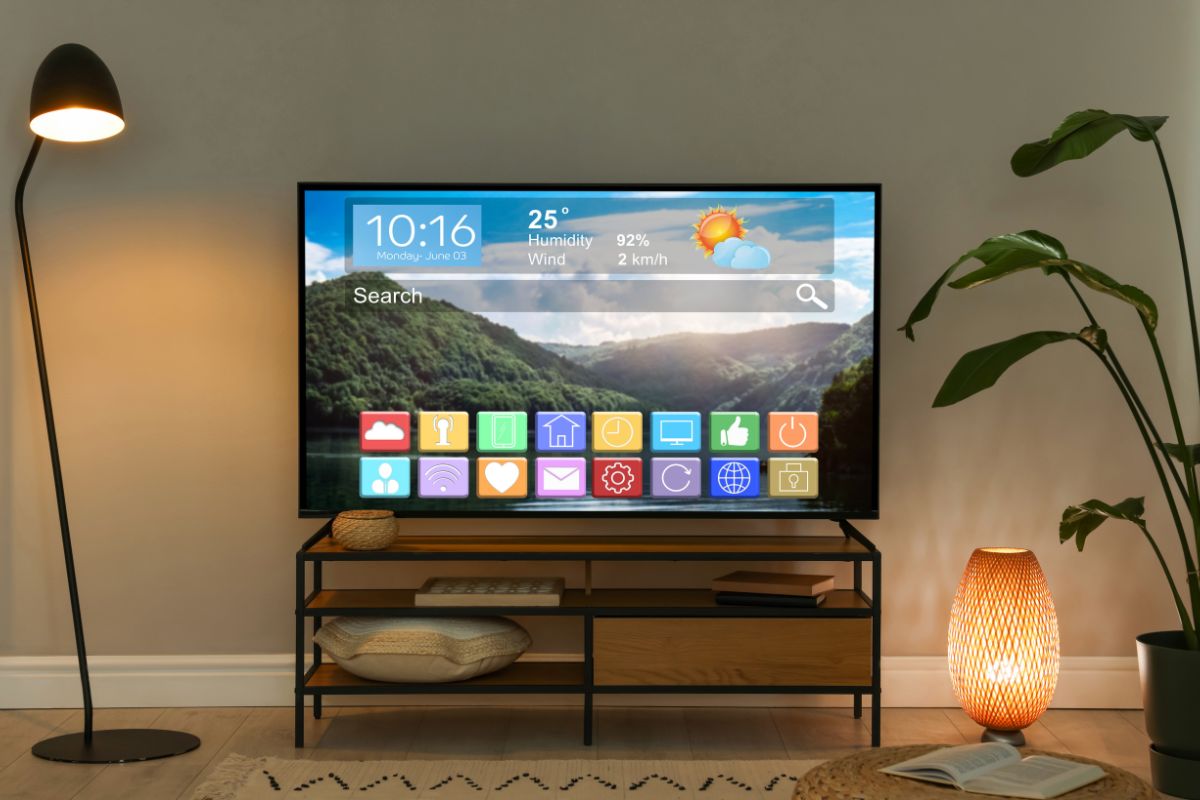
Buy QLED vs OLED vs Mini LED TVs Today from Urbantec Kenya
Explore our range of premium QLED, OLED, and Mini LED TVs at Urbantec Kenya and find the perfect display technology for your entertainment needs. Shop with us today to access genuine premium televisions, reliable service, and quality products designed for your home. Our team is ready to help you choose the right TV based on your preferences, space, and viewing requirements. Visit Urbantec Kenya now and upgrade your entertainment experience with our premium TV selections.

 No products in the cart.